May 30, 2026
Navigating an unexpected mechanical failure while operating a motor vehicle requires rapid logistical decision-making and resources. Drivers fail to anticipate roadside complications until their vehicle ceases to function properly on a congested highway. This lack of preparation frequently results in heightened anxiety, compromised safety, and extended delays. Understanding the specific operational capabilities of commercial roadside assistance providers can significantly reduce the stress associated with these unpredictable vehicular emergencies.
Modern transport networks rely on an infrastructure of professionals who possess the equipment necessary to secure disabled machinery. Property owners and daily commuters alike must familiarize themselves with standard vehicle retrieval protocols before a critical operational issue occurs. By establishing a proactive relationship with technicians, you safeguard your automotive investments and protect scheduling commitments. This guide examines the diverse range of recovery options available to motorists and highlights optimal moments to utilize them.
Managing Critical Electrical Failures
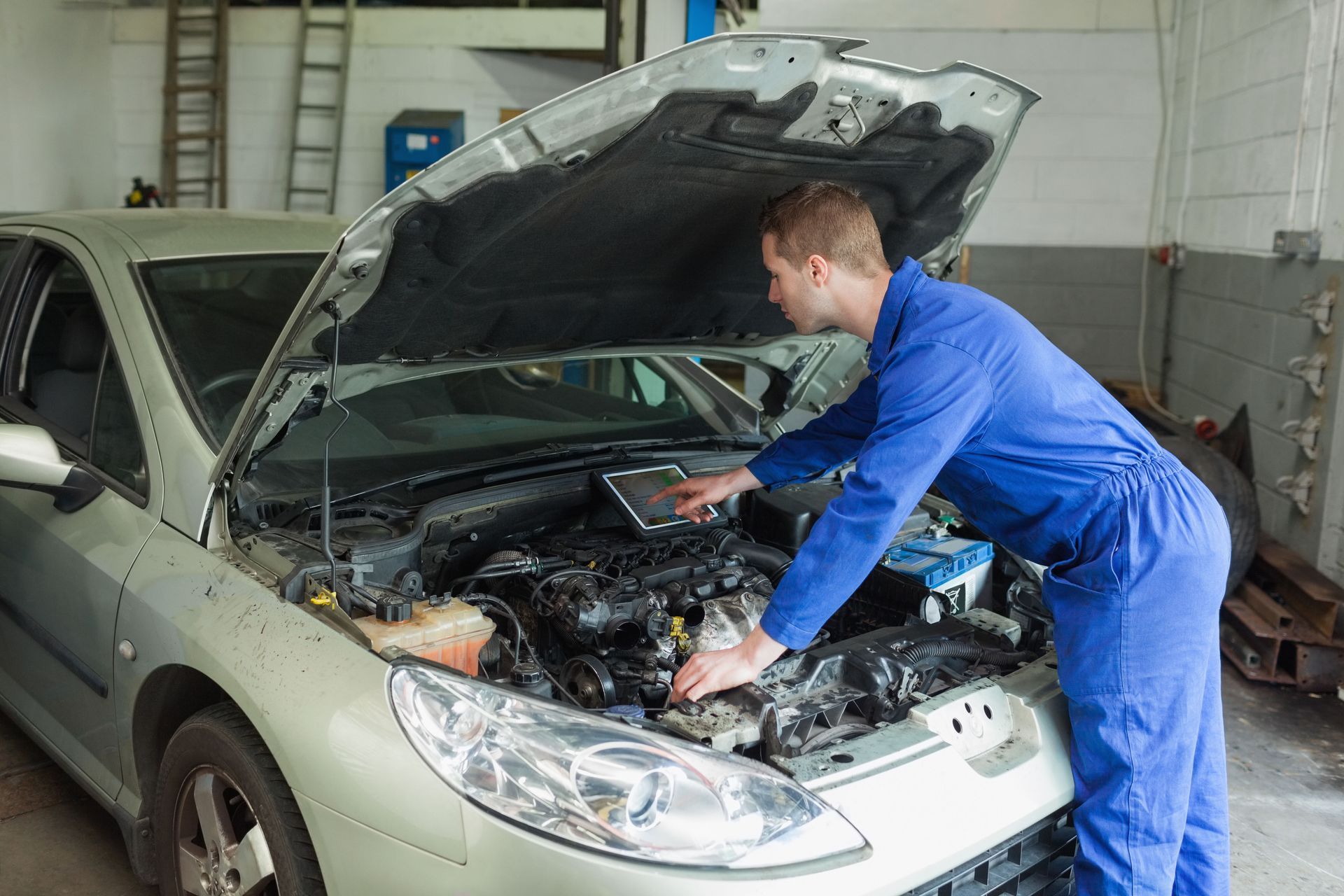
Modern vehicles depend on digital sensors, microprocessors, and electrical circuitry to function properly. When an alternator degrades or a battery loses its charge, the system can shut down instantly. Experiencing a sudden loss of electrical power while driving at high speeds creates an immediate and severe safety hazard. Attempting to diagnose complex wiring faults on the shoulder of a busy highway is both dangerous and notoriously unproductive. Under these volatile circumstances, secure transport to an authorized repair facility remains the safest and most efficient path forward for motorists.
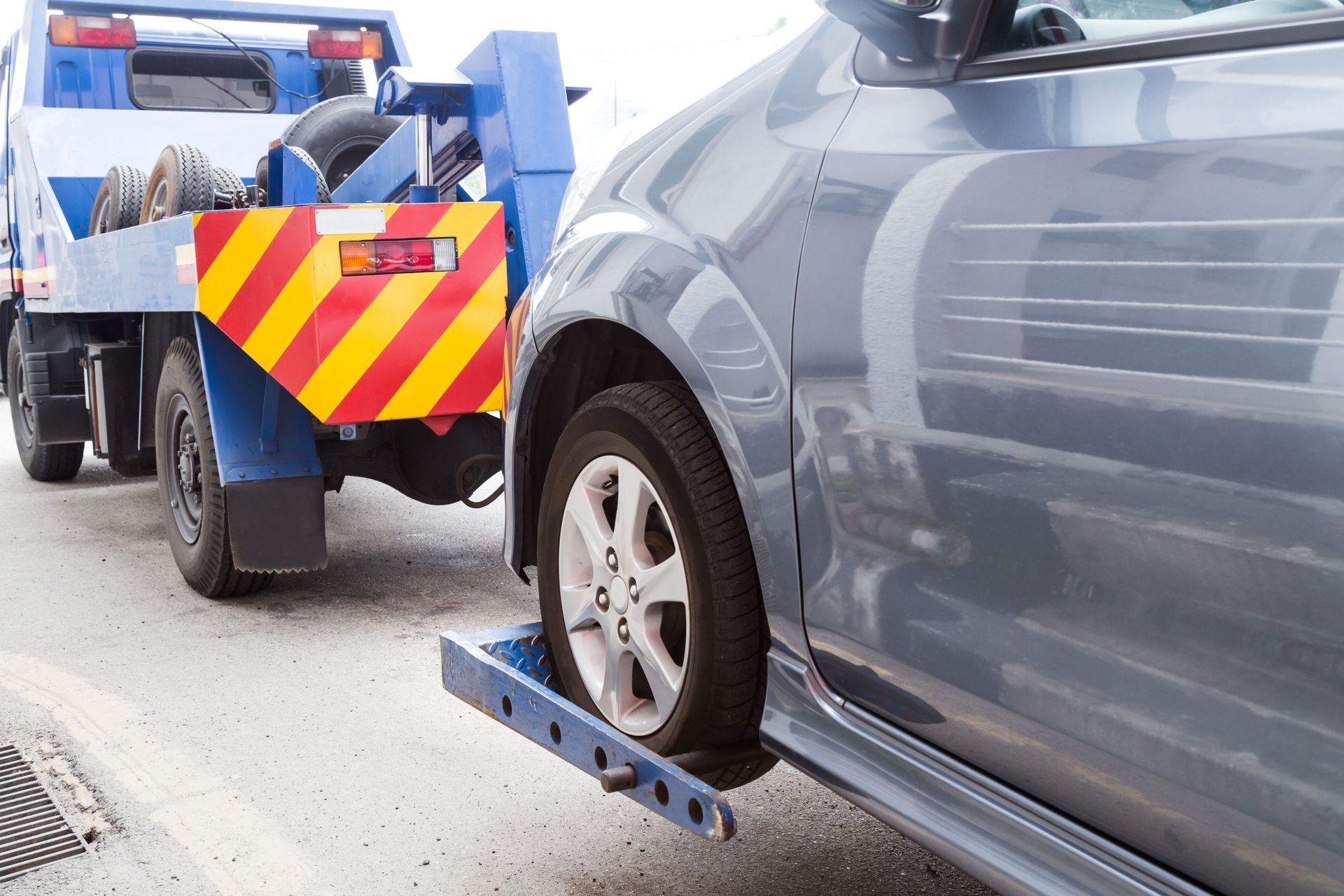
Professional drivers utilize specialized flatbed equipment to transport delicate electrical vehicles without causing further damage to sensitive computer systems. Relying on certified towing services guarantees that your vehicle is handled with the appropriate technical care during an electrical crisis. Securing your asset quickly prevents secondary electrical shorts and allows diagnostic technicians to begin system scans in a controlled environment.
Resolving Complex Cooling Disruptions
An automotive internal combustion engine generates immense thermal energy that must be continuously dissipated by a functional radiator network. If a coolant hose ruptures or a water pump malfunctions, the internal temperature of the block can skyrocket within minutes. Operating an overheated vehicle even for a short distance, can warp cylinder heads and cause catastrophic structural engine failure. Drivers must pull over immediately when the dashboard temperature indicator climbs into the danger zone or steam appears.
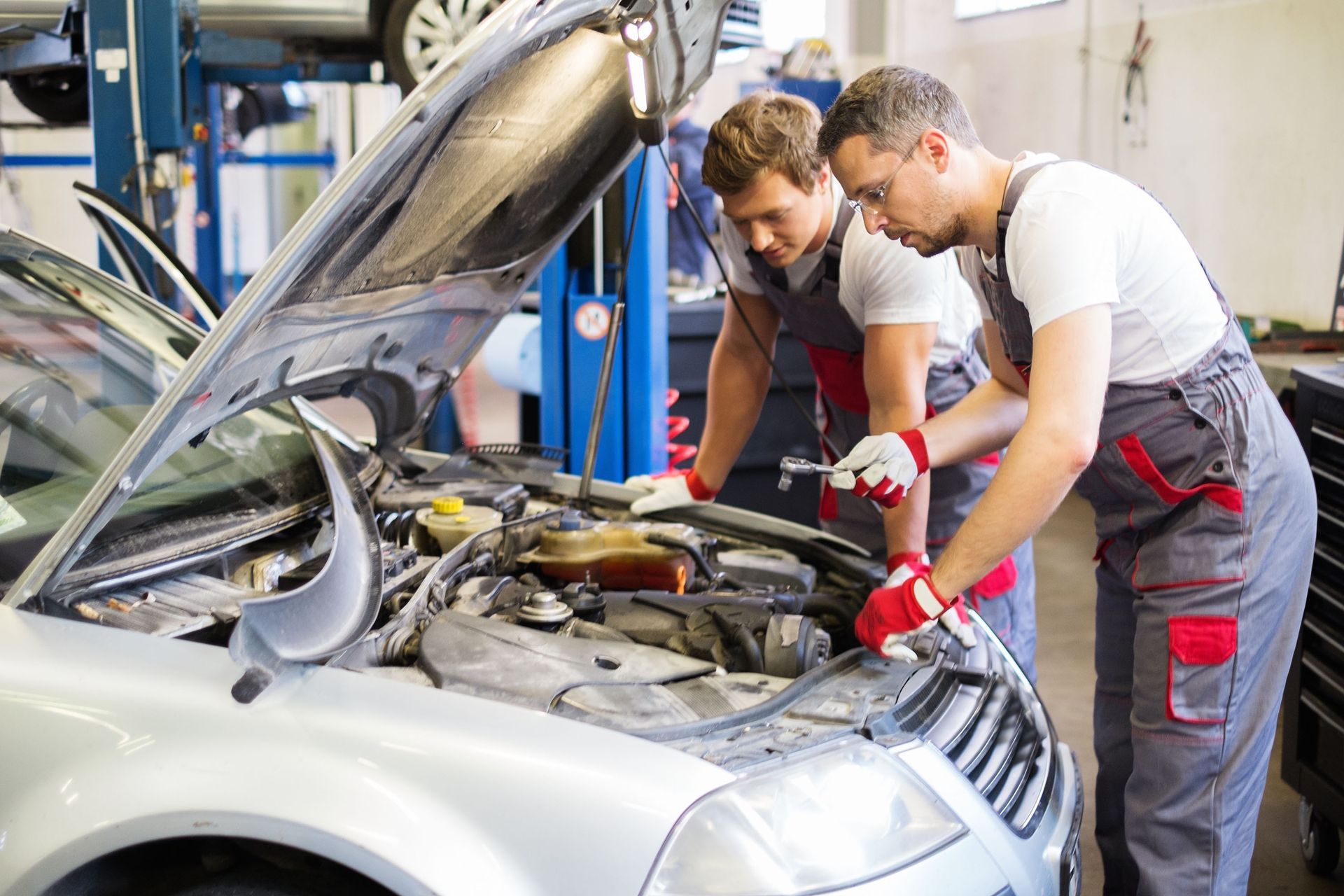
Allowing the machinery to cool completely is necessary before anyone attempts to inspect the radiator cap or fluid levels safely. Because thermal damage compounds rapidly, attempting to drive the vehicle to a nearby mechanic is rarely a mathematically sound risk. Utilizing rapid towing services ensures that your vehicle reaches a service bay before thermal expansion ruins the entire engine assembly. Professional transport preserves the remaining structural integrity of your cooling loop and minimizes the overall scope of required mechanical repairs.
Rectifying Severe Engine Complications
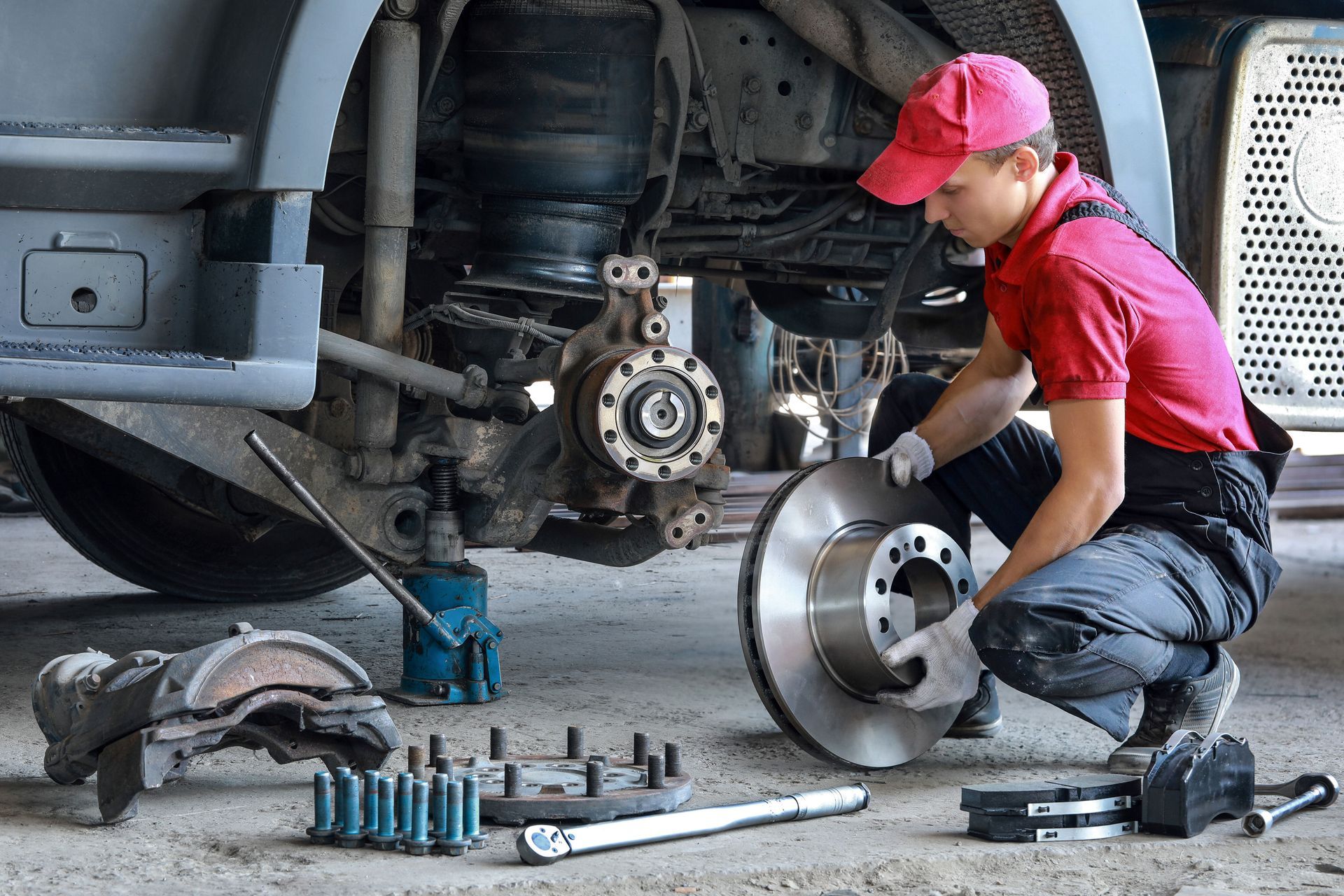
Internal powertrain components operate under extreme mechanical stress and require continuous lubrication to prevent destructive metal-on-metal friction. When an oil pump fails or a timing belt snaps, the internal components of the motor can freeze completely. A seized motor immediately eliminates power steering and braking assistance, making the vehicle exceptionally difficult for the driver to maneuver. These major mechanical failures cannot be resolved on the roadside and always demand comprehensive shop-based disassembly and heavy equipment.
Attempting to restart a severely damaged motor can cause loose internal valves to puncture pistons and shatter the engine block. The most responsible course of action involves safely positioning the vehicle on the shoulder and activating emergency hazard indicators. Dispatching professional towing services prevents additional internal mechanical binding that often occurs when attempting to move a broken powertrain manually. Entrusting the transport of your disabled machine to certified operators ensures that your expensive powertrain receives elite care during transit.
Addressing Critical Transmission Glitches
The vehicle transmission system regulates the distribution of mechanical torque from the engine to the drive wheels via complex gearsets. When internal clutch plates slip or hydraulic pressure drops significantly, the transmission may refuse to engage any forward gears. A sudden transmission failure can leave a motorist stranded in the middle of a busy intersection or dangerous highway merger. Forcing a malfunctioning gearbox to operate can destroy the remaining gear teeth and contaminate the entire fluid reservoir with metal shavings.
Vehicles equipped with all-wheel-drive configurations require highly specific transport methodologies to avoid destroying internal transfer cases during movement. Improper lifting of a disabled drivetrain can cause thousands of dollars in secondary mechanical degradation to the axle assemblies. Enlisting specialized towing services provides access to wheel-lift and flatbed technologies engineered specifically to protect vulnerable transmission components. Professional logistics specialists understand these engineering nuances and guarantee a damage-free journey to a qualified repair center.
Overcoming Sudden Fuel Obstacles
Fuel delivery architecture relies on high-pressure pumps and precise injectors to maintain the stoichiometric ratio required for optimal combustion. When a fuel pump burns out or a primary fuel line suffers a high-pressure rupture, the engine starves instantly. A total lack of fuel pressure causes the vehicle to sputter aggressively before losing all forward propulsion on the roadway. Drivers occasionally mistake a catastrophic fuel system failure for a simple empty tank and attempt to repeatedly crank the ignition.
This repetitive cranking drains the battery and can overheat the starter motor, adding unnecessary expenses to the primary repair bill. Leaking fuel also poses an immediate fire hazard that requires professional containment and swift removal from public pathways. Arranging for professional towing services removes the hazardous vehicle from active traffic lanes and minimizes environmental exposure risks. Safe transit to a specialized service bay allows mechanics to safely depressurize the fuel rail and replace damaged components.
Analyzing Domestic Repair Statistics
Understanding the broader landscape of automotive vulnerabilities can help motorists identify patterns and prepare for inevitable mechanical breakdowns. Every vehicle on the road faces a statistically predictable set of mechanical challenges over its operational lifecycle. According to research published by Consumer Affairs, the four most frequent classifications of automotive mechanical failure encompass complications involving the electrical architecture, the thermal cooling systems, the internal engine and transmission assemblies, and various fuel delivery components.
This comprehensive statistical breakdown highlights the reality that most vehicle breakdowns involve complex internal systems rather than simple exterior problems. Because these four dominant areas require sophisticated electronic diagnostics, roadside fixes are rarely possible for the modern driver. When facing any of these primary mechanical failures, attempting to limp the vehicle forward generally exacerbates the underlying damage. Securing reliable towing services remains the industry-recommended methodology for responding to these top four automotive repair categories safely. Relying on established transport professionals ensures that your vehicle is integrated into a structured diagnostic workflow without additional roadside delay.
Navigating Roadside Collision Aftermaths
Traffic accidents introduce severe structural distortions to a vehicle frame that can render the machinery completely unsafe to operate. Even a minor low-speed collision can misalign suspension components, compromise braking lines, or loosen critical body panels. Driving a vehicle with compromised structural integrity puts the motorist and other commuters at severe physical risk. Utilizing experienced towing services guarantees that the damaged asset is recovered legally and transported to an accredited insurance evaluation facility. Professional operators document the recovery process carefully, providing valuable evidence for subsequent automotive insurance claims adjustments.
Maintaining an awareness of these common vehicular vulnerabilities empowers drivers to make intelligent, safety-minded choices during roadside emergencies. Whether your vehicle suffers from a complex electrical failure, a thermal cooling disruption, or a severe structural collision, professional logistics remain essential. Attempting to bypass professional towing services can result in compounding mechanical damage and inflated repair costs at the shop.
Wheaton's Service Center stands ready to provide the elite mechanical diagnostics and seamless vehicle transport your automotive assets deserve. Our experienced team utilizes state-of-the-art equipment to handle every vehicle class with absolute precision and uncompromising technical care. Contact our office today to establish a preventative maintenance plan or secure immediate assistance from our dedicated roadside response specialists.