September 30, 2026
Passenger cars are remaining on the road longer than they once did, which means more drivers are managing vehicles with higher mileage, aging components, and longer maintenance histories. As cars move beyond their first decade of use, normal wear can affect everything from suspension and braking systems to cooling components, electrical connections, and engine performance. Timely auto repairs can help owners address those changes before smaller concerns become more disruptive.
According to S&P Global Mobility's 2025 analysis, the average passenger car on U.S. roads reached 14.5 years old, compared with 11.9 years for light trucks. That difference shows how many consumers continue driving passenger cars well beyond a decade. With greater age comes a greater need to monitor condition, respond to warning signs, and keep essential systems functioning reliably. Older cars can remain dependable, but their service needs often become more important as accumulated mileage and years of use begin affecting multiple components.
Managing Age-Related Mechanical Wear
Monitoring Engine Components
Engines experience years of heat cycles, vibration, and internal movement. Gaskets, seals, belts, hoses, and other components can gradually deteriorate even when the engine continues running normally. Older vehicles often benefit from closer attention to leaks, unusual sounds, reduced performance, or warning lights that indicate a developing issue.
Monitoring Cooling System Components
The cooling system helps regulate engine temperature through the radiator, water pump, thermostat, hoses, and coolant. As these components age, corrosion, leaks, weakened hoses, or reduced efficiency can develop. Auto repairs involving cooling-system issues can help prevent overheating and reduce the risk of more serious engine damage.
Monitoring Transmission Performance
Transmissions can also change as mileage increases. Delayed engagement, unusual shifting, slipping, or new noises can indicate that inspection is needed. Because transmission problems can range from fluid-related concerns to internal wear, professional diagnosis is important before assuming the cause.
Monitoring Exhaust Components
Exhaust systems remain exposed to heat, moisture, road debris, and changing temperatures. Older cars may develop corrosion, loose connections, or damaged components that affect sound, emissions, or performance. Periodic inspection can identify deterioration before exhaust problems become more noticeable.
Managing Suspension and Steering Wear
Checking Worn Suspension Parts
Suspension components help absorb road impacts and keep tires in contact with the pavement. Struts, shocks, bushings, ball joints, and other parts can wear gradually over time. Auto repairs related to suspension wear can help restore more predictable handling and reduce the effects of worn components on surrounding systems.
Checking Changes in Ride Quality
An older car may begin to feel rougher, less stable, or more sensitive to bumps than it once did. These changes can develop slowly enough that drivers adapt without noticing how much the ride has changed. A professional inspection can determine whether suspension wear contributes to the difference.
Checking Steering Response
Steering should feel consistent and predictable. Excessive play, vibration, pulling, or difficulty keeping the vehicle straight can indicate concerns involving alignment, steering components, tires, or suspension. A thorough evaluation can help identify the source rather than focusing on one system alone.
Checking Uneven Tire Wear
Uneven tread patterns can sometimes point to alignment or suspension problems. If an older vehicle repeatedly wears tires irregularly, replacing the tires alone may not address the underlying condition. Inspecting related components can help determine why the wear keeps returning.
Managing Brake System Aging
Watching Brake Pad and Rotor Wear
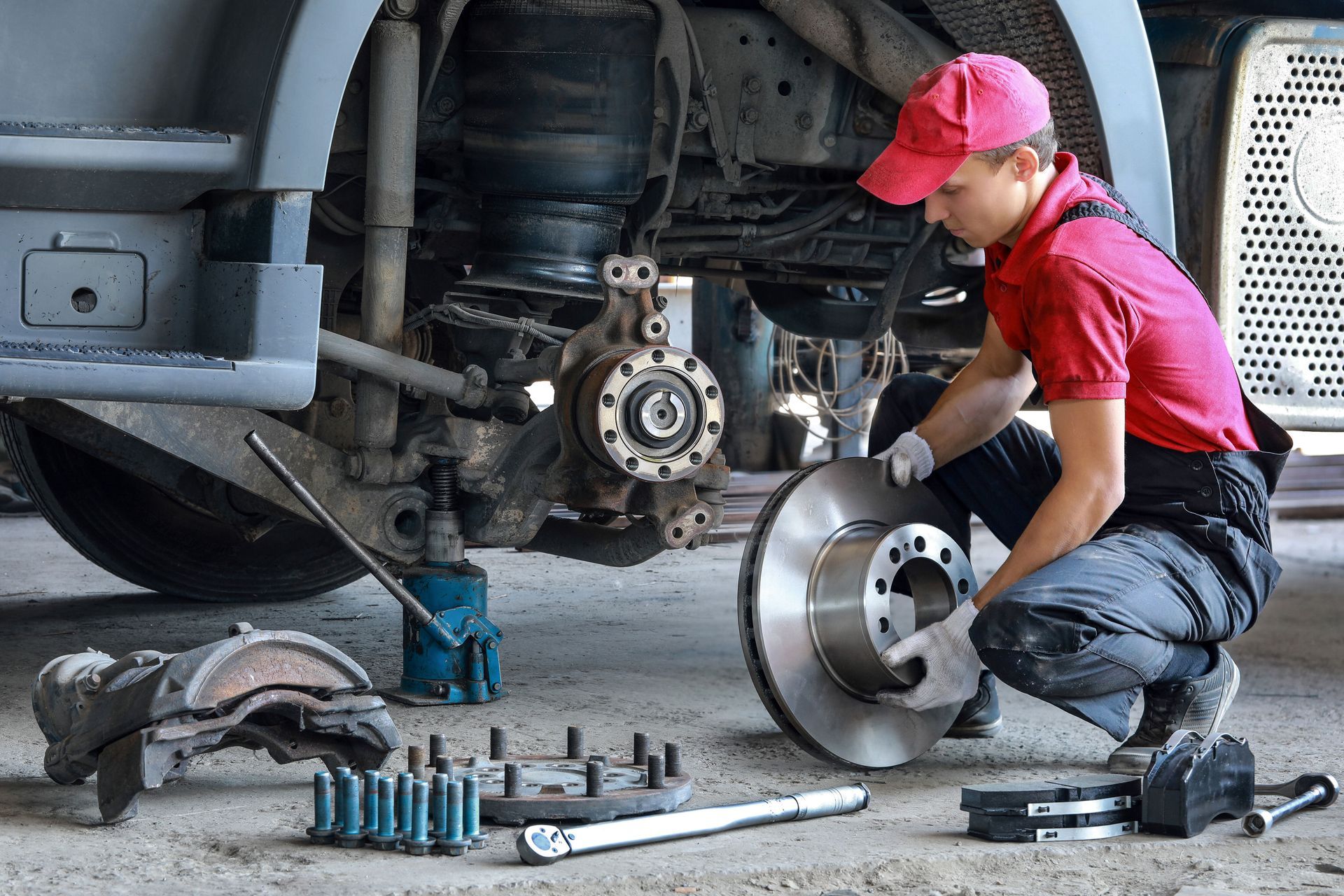
Brake pads and rotors naturally wear with use, but older vehicles may also have calipers, hardware, or related components that require attention. Auto repairs involving the brake system can help address squealing, grinding, vibration, or reduced stopping performance before those symptoms worsen.
Watching Brake Fluid Condition
Brake fluid can absorb moisture over time, and aging hydraulic components may become more vulnerable to leaks or corrosion. Professional service can evaluate fluid condition along with hoses, lines, and other parts that contribute to consistent brake operation.
Watching for Warning Lights
Brake or ABS warning lights can indicate problems with sensors, hydraulic systems, electronic controls, or other components. Ignoring these indicators can allow a concern to continue without proper diagnosis. Older cars may have more age-related electrical and mechanical factors contributing to warning lights.
Watching for Pedal Changes
A brake pedal that feels softer, firmer, lower, or otherwise different from normal deserves professional evaluation. Changes in pedal response can have several causes, and identifying the specific condition is important before continued use.
Managing Electrical and Starting Problems
Evaluating Battery Condition
Batteries have a limited service life, and older cars may also have charging-system concerns that affect starting performance. Slow cranking, repeated battery problems, or difficulty starting can indicate the need for auto repairs involving the battery, alternator, starter, or related electrical connections.
Evaluating Aging Wiring
Years of heat, vibration, moisture, and previous repairs can affect electrical wiring and connectors. Intermittent lights, accessories that stop working, or recurring warning indicators may point to wiring problems that require professional diagnosis.
Evaluating Charging Performance
The alternator provides electrical power while the engine is running and helps maintain battery charge. When charging performance declines, the vehicle may experience dimming lights, warning messages, or difficulty restarting. Testing can identify whether the alternator or another component is responsible.
Evaluating Electronic Sensors
Even older passenger cars contain numerous sensors that influence engine operation, emissions, safety systems, and dashboard information. Sensors can fail or produce inconsistent readings as they age, making accurate diagnostic testing increasingly important.
Managing Fluid Leaks and Sealing Problems
Identifying Engine Oil Leaks
Gaskets and seals can harden or deteriorate with age, making oil leaks more common on older vehicles. Small leaks may begin as minor spots but can worsen over time. Auto repairs can address the source and help prevent ongoing fluid loss or contamination of surrounding components.
Identifying Coolant Leaks
Coolant can escape from hoses, radiators, water pumps, gaskets, or other parts of the system. Older vehicles may be more vulnerable because several components can deteriorate at similar times. Persistent coolant loss should be investigated before overheating occurs.
Identifying Transmission Fluid Leaks
Transmission fluid is important for lubrication, hydraulic operation, and heat management. A leak can affect transmission performance if fluid levels fall too far. Older seals, lines, and gaskets can all contribute to fluid loss and should be evaluated when signs appear.
Identifying Power Steering Leaks
Some older cars use hydraulic power steering systems that rely on fluid, hoses, pumps, and seals. Leaks can make steering more difficult or noisy. Professional inspections can identify whether the issue involves a hose, pump, seal, or another component.
Managing Long-Term Reliability
Planning Around Vehicle Age
Older cars can remain dependable when maintenance and auto repairs are approached proactively. Vehicle age alone does not determine condition, but it does make regular evaluation more important because several systems can begin showing wear at the same time.
Planning Around Mileage
Mileage provides another useful indicator of potential service needs. High-mileage vehicles may experience wear in suspension, engine, transmission, cooling, and steering components, even if the exterior remains in excellent condition.
Planning Around Service History
A complete maintenance history can help technicians understand which parts have already been replaced and which systems may deserve closer attention. Vehicles without clear records may benefit from a more comprehensive inspection to establish a baseline.
Planning Around Future Ownership
Drivers who plan to keep a vehicle for several more years may approach repairs differently than those preparing to replace it soon. Understanding the current condition, likely future needs, and repair history can help owners make more informed decisions about where to invest in the car.
Passenger cars are staying on the road longer, and that makes routine maintenance and timely service increasingly important. Aging engines, suspension systems, brakes, electrical components, seals, and cooling systems can all develop wear as years and mileage accumulate. Addressing these concerns early can help preserve reliability and reduce the likelihood of unexpected breakdowns. Drivers who want to keep an older vehicle operating dependably can contact Wheaton's Service Center today to schedule professional auto repairs and have their passenger car evaluated for age-related maintenance and repair needs.