July 24, 2026
Brakes serve as the foundational safety mechanism within any automotive architecture, granting drivers the critical ability to modulate velocity and execute controlled stops. The operational integrity of these components is fundamentally linked to overall highway safety, influencing everything from minor traffic navigation to emergency collision avoidance. Because these systems are constantly subjected to immense kinetic forces and thermal stress, mechanical degradation is an inevitable byproduct of daily vehicle operation. Consequently, automotive service centers routinely address various forms of system wear to ensure that vehicles conform to necessary performance metrics and structural standards.
The underlying mechanics of stopping a vehicle rely on a complex network of hydraulic, electronic, and mechanical parts working in precise coordination. When a driver applies pressure to the pedal, the system multiplies this force to create the friction required to counteract the momentum of a multi-ton vehicle. Given this intense workload, the various friction materials and hydraulic pathways require consistent oversight to prevent performance degradation. Understanding the operational dynamics and vulnerabilities of these components helps illuminate why keeping these systems properly maintained remains a primary focal point of modern vehicle ownership.
Despite technological advancements and improvements in vehicle designs, brake repairs continue to constitute a significant portion of automotive maintenance activities. According to Gitnux, brake repair accounts for about 25% of all auto repairs annually. This statistical reality underscores the fact that no matter how sophisticated modern vehicles become, the physical realities of friction and kinetic energy management cannot be engineered away. As components naturally deteriorate through standard operation, regular professional intervention remains an absolute necessity for safeguarding vehicle occupants and maintaining predictable handling characteristics.
Examining the Mechanics of System Wear
Operating a motor vehicle in modern traffic environments subjects friction components to extreme physical demands during every journey. Each time velocity is reduced, kinetic energy is converted directly into thermal energy through the intense contact between the friction linings and the rotating discs. This continuous thermal cycling gradually alters the material properties of the pads, leading to a natural reduction in thickness and structural density over time. As these materials thin, their capacity to absorb and dissipate heat diminishes, which accelerates the degradation of surrounding mechanical assemblies.
Beyond the expected wear from friction, environmental exposure plays a significant role in accelerating the deterioration of crucial undercar components. Road debris, moisture, and chemical melting agents commonly used in winter climates can introduce corrosive elements into the caliper assemblies and hydraulic lines. This exposure can lead to surface oxidation on the metallic discs, which creates uneven surfaces and compromises the uniformity of the stopping force. Over time, these combined physical and environmental factors make professional assistance necessary to restore the system to its original manufacturing specifications.
Identifying Common Warning Symptoms
Recognizing the early indicators of component degradation is essential for preventing minor mechanical wear from developing into extensive structural damage. One of the most prevalent signs of wear is an audible high-pitched squeal or metallic scraping sound produced during deceleration. This acoustic indicator is frequently produced by built-in wear sensors designed to alert the driver that the friction material has reached a critically low thickness. Ignoring these sounds can result in direct metal-on-metal contact, which can ruin the smooth surfaces of the stopping discs and compromise overall stopping capability.
Another common symptom of system distress is a distinct pulsation or vibration felt through the pedal or steering column when stopping forces are applied. This sensation typically points to a variation in the thickness of the rotating discs, often caused by excessive heat buildup that distorts the metal surfaces. Additionally, a soft or spongy feeling when pressing the pedal can indicate internal hydraulic issues, such as fluid contamination or air bubbles within the lines. Whenever these symptoms manifest, scheduling professional brake repairs is vital to accurately diagnose the root cause and ensure the vehicle remains safe to operate.
Processing Professional Restorative Work
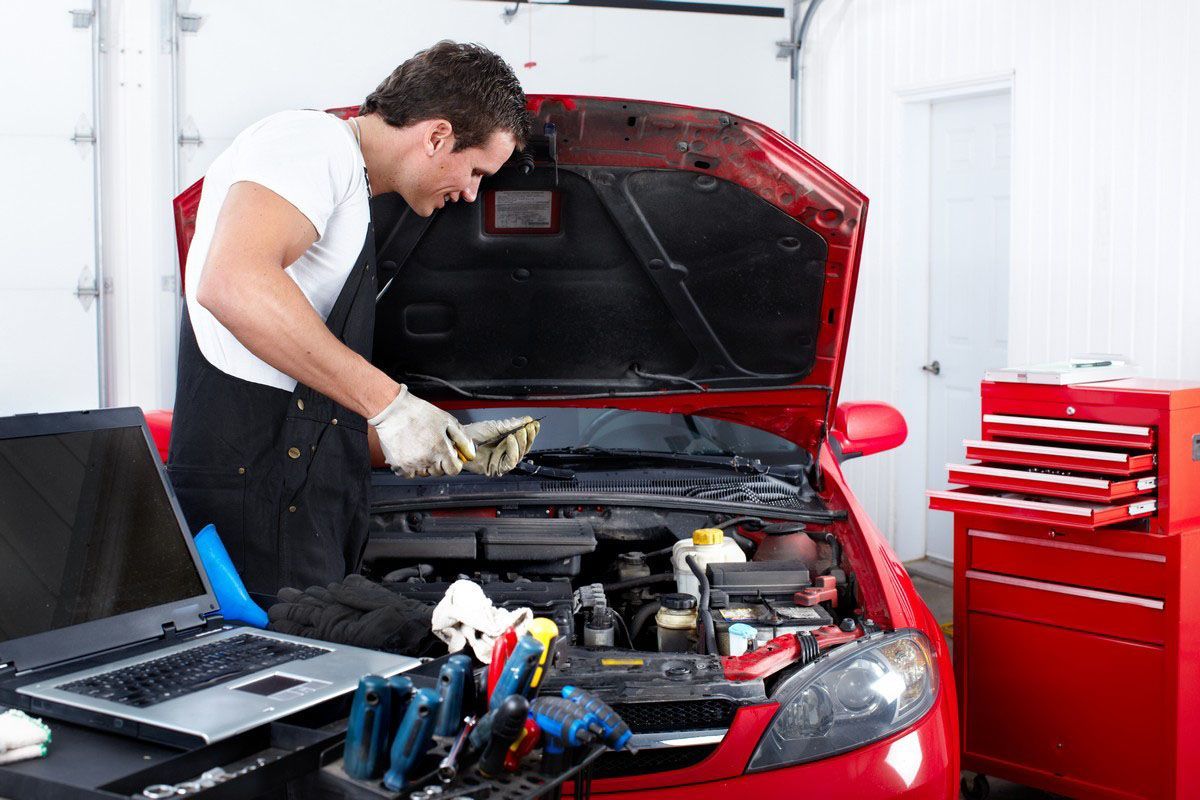
Executing a comprehensive system restoration requires an orderly approach that begins with a meticulous physical and diagnostic assessment. Qualified technicians raise the vehicle to inspect the exact thickness of the friction materials, measure disc variations using precision micrometers, and check the integrity of all hydraulic seals. This diagnostic stage ensures that every compromised part is identified, preventing the oversight of hidden defects that could undermine future performance. A complete evaluation forms the basis for a precise target strategy to restore factory-level stopping efficiency.
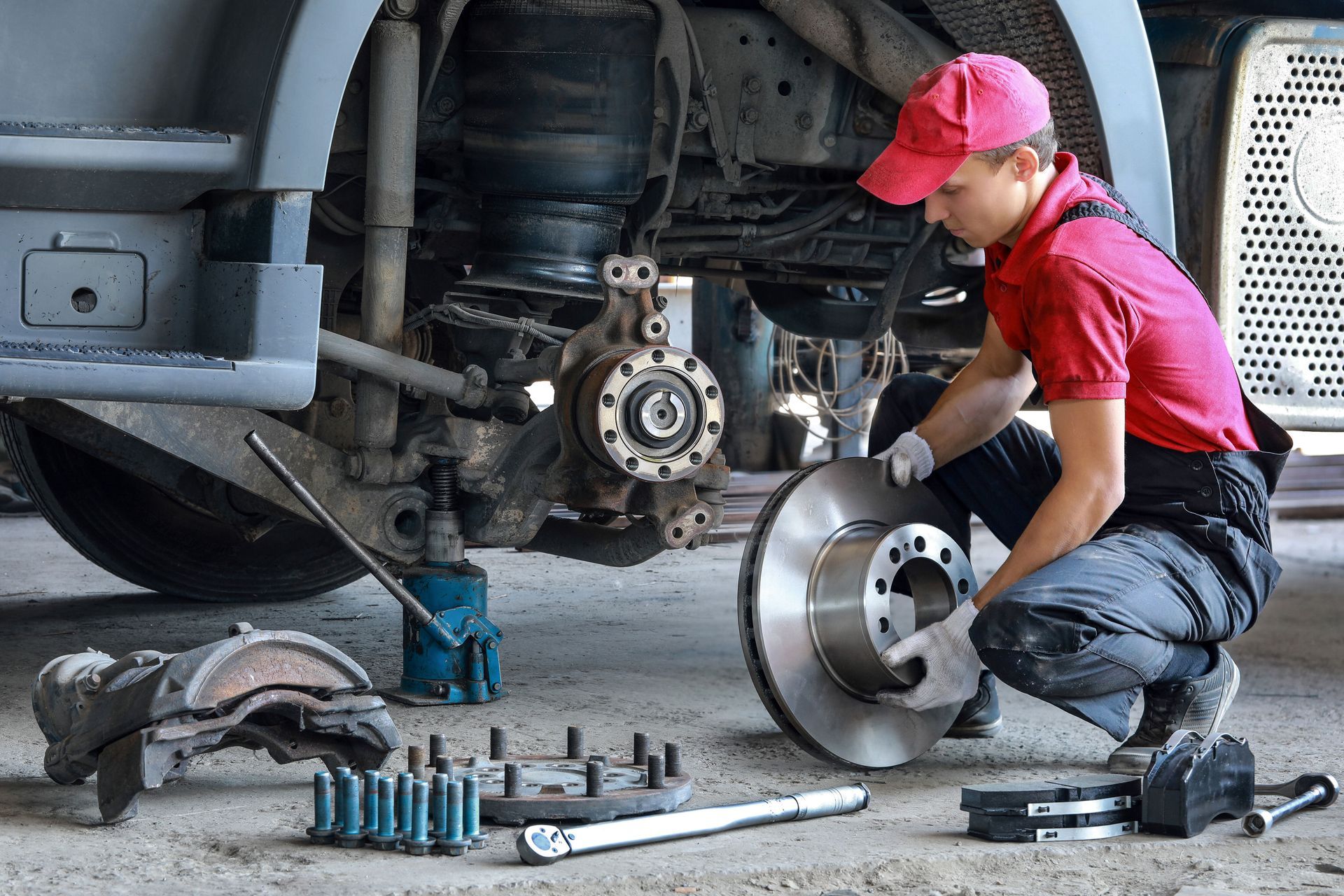
Once the diagnostic phase is complete, the physical restoration of brake repairs involves removing worn elements and installing precision-engineered replacements. Technicians replace depleted friction pads and either resurface or replace the heavy metallic discs to guarantee a perfectly flat contact area. The hydraulic architecture also receives vital attention, including purging old, moisture-contaminated fluid and replacing it with fresh fluid to restore optimal pedal pressure. Finally, the mechanical guide pins and calipers are thoroughly cleaned and lubricated to ensure smooth movement and prevent uneven wear in the future.
Analyzing Associated Maintenance Investments
The total financial investment required for system restoration depends on a combination of component expenses and specialized workshop labor. Component pricing varies based on the specific year, make, and model of the vehicle, with high-performance or luxury platforms often requiring specialized materials that command higher prices. Labor costs reflect the time and technical expertise needed to carefully disassemble, clean, restore, and calibrate the intricate hydraulic and mechanical assemblies. Balancing these factors is an expected part of responsible budget planning for long-term vehicle ownership.
Vehicle configuration and intended usage also heavily influence the long-term expenses associated with keeping stopping systems in top condition. For example, commercial transport options or vehicles frequently used for heavy towing experience greater mechanical stress, leading to more frequent service intervals. Choosing original equipment manufacturer parts can alter initial costs but often provides superior durability and performance compared to entry-level alternatives. Understanding these financial variables allows vehicle owners to make informed decisions that prioritize safety and mechanical longevity over short-term savings.
Implementing Proactive Care Strategies
Adopting a proactive approach to vehicle maintenance is the most effective way to optimize component longevity and ensure consistent on-road performance. Routine professional inspections, ideally performed during standard tire rotations or oil changes, allow technicians to monitor wear trends and address minor abnormalities early. This ongoing oversight helps avoid unexpected component failures and keeps the vehicle operating within safe parameters. Catching minor wear early also protects more expensive components, like calipers and electronic sensors, from collateral damage.
Modifying daily driving habits can also noticeably reduce the physical strain placed on friction components during everyday travel, limiting the need for brake repairs. Practicing situational awareness allows for coasting and gradual deceleration, which reduces the peak thermal loads generated during sudden stops. Minimizing unnecessary vehicle weight also reduces the total kinetic energy that the system must dissipate during everyday driving. Combining these mindful operating habits with scheduled professional fluid exchanges helps maintain responsive pedal action and protects internal hydraulic mechanisms from premature aging.
Maintaining optimal stopping power requires a commitment to regular professional oversight and high-quality mechanical care. Driving with compromised stopping components places the safety of vehicle occupants and other road users at serious risk. Partnering with a dedicated automotive service center ensures that every inspection, component replacement, and fluid service is performed with precision. For reliable vehicle performance and peace of mind on every journey, schedule your next
brake repairs with Wheaton's Service Center to ensure your vehicle receives the expert attention it deserves.